Quick heads up before we dive in: we're talking about a turnkey restaurant build-out, not buying an existing restaurant that's for sale. Different thing entirely. Okay? Okay.
Here's the short version. Turnkey restaurant delivery means one company handles your new franchise location from signed lease to opening day: site adaptation of the prototype, permits, build-out, equipment installation, punch list and turnover. You approve decisions at set checkpoints and get a location that's ready for staff training and opening.
Sounds dreamy, right? Here are 8 secrets to making it actually work.
Turnkey is especially popular with multi-unit franchisees and area developers, who often run several openings at the same time while also running existing restaurants. When your calendar already looks like a game of Tetris, handing the whole build to one accountable team can be the difference between opening on time and opening "soon."
1. Turnkey Means One Throat to Choke (Lovingly)
In a traditional design-bid-build setup, you hire an architect, then bid the job out to a contractor, then maybe hire a permit expediter. Three contracts, three schedules, three sets of excuses when something slips.
With turnkey restaurant construction, one partner owns all of it. Here's the honest comparison:
- Accountability: turnkey has one point of contact; design-bid-build splits it three ways.
- Speed: turnkey overlaps design and permitting with construction planning; design-bid-build runs them in sequence.
- Price certainty: turnkey gives you a defined scope early; design-bid-build finds out the price after design is done.
- Control: design-bid-build gives you more say over each vendor. Turnkey trades some of that for simplicity.
Neither model is wrong. But if your top priorities are speed, a single point of accountability and fewer surprises, turnkey usually comes out ahead, especially when you're building a franchisor's approved prototype rather than a one-of-a-kind concept.
2. There Are 6 Phases, and You Should Know All of Them
Turnkey doesn't mean "invisible." It means organized. Here's how it typically flows:
- Site adaptation: the approved prototype gets adjusted to your actual space. You review and approve the layout.
- Permitting: drawings go to the city. You sign applications and provide any owner documents needed.
- Build-out: construction happens. You get progress updates and approve any changes.
- Equipment installation: kitchen and FOH equipment goes in and gets connected.
- Punch list: the team fixes every small item before handover. You walk the space and flag anything off.
- Turnover: you get the keys to a location ready for training.
The checkpoints are your power moves. Each one is a moment to confirm the plan matches your franchisor's standards, your budget and your opening date before work moves forward. Show up to every one of them, ask questions, and get decisions in writing.
Durations vary by site and jurisdiction, so ask your partner for their averages on similar projects.
3. "Turnkey" Does Not Mean "Do Nothing"
Sorry to break it to you. You still have homework. A solid franchisee responsibilities list usually looks like this:
- Signed lease and work letter
- Franchisor approvals on the site and the plan
- Financing and a draw schedule your lender approves
- Equipment orders, if equipment isn't included in the turnkey scope
- Utility accounts set up in your name
- Business licenses and health permits
- Staff hiring and training dates
The secret? Start these in parallel with construction, not after. Nothing hurts like a finished restaurant waiting on a utility account.
4. Custom and Themed Concepts Change the Price (in Predictable Ways)
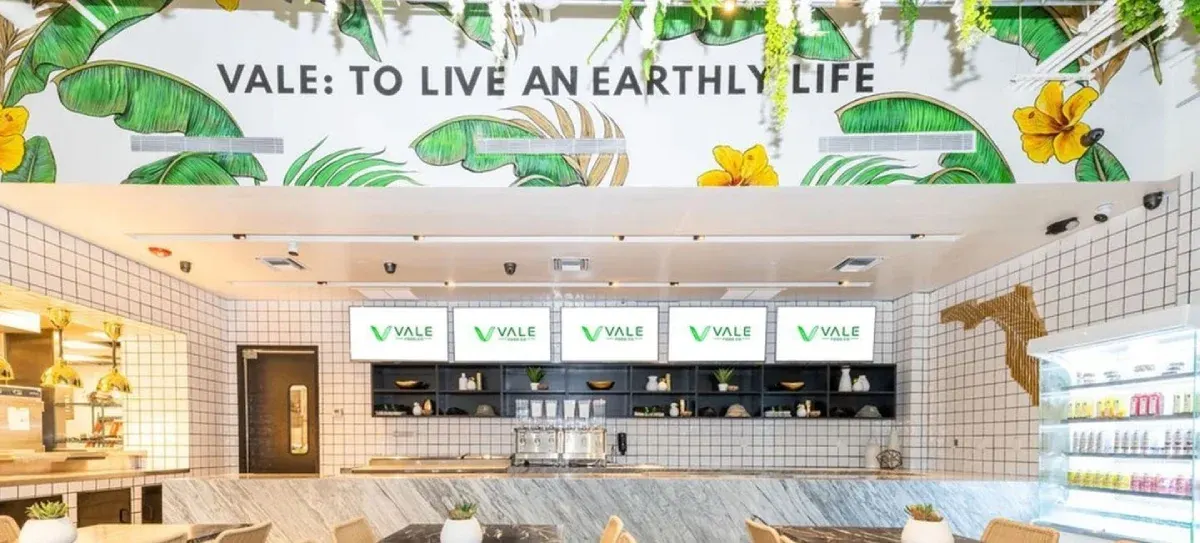
Love a themed space? Same. But know where the money goes. When people search for customized themed commercial space design price, the drivers are almost always:
- Custom millwork and built-ins
- Themed finishes and specialty materials
- Specialty lighting
- Non-standard equipment
The smart way to budget is as a percentage over your standard prototype. Ask your partner to price the prototype first, then the themed upgrades separately, so you can decide which ones actually earn their keep.
One more tip: check with your franchisor before you fall in love with a custom feature. Many brands have strict rules on what can change, and getting an upgrade approved early is much easier than ripping it out after inspection.
5. Turnkey Is Not Always More Expensive
This is the myth that scares franchisees away. Yes, a turnkey partner prices in management and coordination. But hiring your own GC has hidden costs too: delays between handoffs, change orders from incomplete drawings, rent you pay while nothing is happening, and your own time spent refereeing.
Compare the total cost to open, including rent during construction, not just the construction bid.
Here's a quick way to think about it: every week your space sits unfinished, you're paying rent (or burning through free rent you negotiated), paying for insurance, and delaying the first dollar of revenue. A few weeks saved on the schedule can easily outweigh a small difference in the construction bid.
6. The Turnkey Opening Checklist (Print This)
Here's the restaurant opening checklist to keep on your fridge, your desk, or tattooed on your forearm:
- Lease signed and work letter reviewed
- Franchisor site and layout approval received
- Prototype site adaptation approved
- Construction drawings complete
- Permits submitted
- Permits approved
- Financing and draw schedule confirmed
- Equipment ordered (with lead times checked)
- Construction started
- Utilities transferred to your name
- Equipment installed and tested
- Health and fire inspections passed
- Certificate of occupancy received
- Punch list completed and signed off
- Keys handed over, training starts
Fifteen boxes between you and opening day. You've got this.
7. Communication Cadence Is a Hidden Superpower
The best franchise construction management partners don't just build. They tell you what's happening before you have to ask. Look for a regular update rhythm, clear decision deadlines, and photos from the site. If you're refreshing your inbox wondering what's going on, that's a red flag.
Good communication also protects your relationship with the franchisor. When you can forward a clean weekly update with photos and next steps, your development contact knows the opening is on track, and you look like the organized operator you are.
Bonus: 6 Questions to Ask Any Turnkey Partner
- Is architecture, permitting and construction all in-house, or coordinated through subcontractors?
- Exactly what is included in your turnkey scope, and what is excluded?
- Who is my single point of contact, and how often will I get updates?
- At which checkpoints will I need to approve decisions?
- How do you handle change orders, and how are they priced?
- What does your turnover package include (warranties, manuals, as-built drawings)?
Clear, specific answers are a great sign. If the scope feels fuzzy now, it will feel even fuzzier when the invoices arrive.
8. Turnover Day Should Be Boring
The ultimate sign of a great turnkey build? Turnover day is a non-event. Equipment works. Inspections are passed. The punch list is done. You walk in, check a few things, and start training your team.
If turnover day feels like a crisis, something went wrong much earlier. The whole point of turnkey is to move the stress off your plate and onto a team built to handle it.
The Takeaway
Turnkey delivery isn't magic. It's one team running the whole path from lease to opening day, with clear checkpoints for you. For franchisees juggling a new location and everything else in their life, that's about as close to magic as construction gets.
Know the six phases, keep your own responsibilities moving in parallel, price custom features separately, and compare the total cost to open rather than just the bid. Do that, and your next opening day will feel less like a sprint to the finish line and more like the celebration it should be.
FAQs
How long does a turnkey restaurant build-out take?
It depends on site type, shell condition and permit review times in your city. Permits are usually the biggest variable. Ask your partner for their average lease-to-opening time on similar sites.
Does turnkey cost more than hiring my own GC?
The construction bid may be similar or slightly higher, but turnkey often lowers total cost to open by cutting delays, change orders from incomplete drawings and rent paid while the space sits idle.
Can I use turnkey delivery for a themed concept?
Yes. The best approach is to price the standard prototype first and the themed upgrades separately, so you can see exactly what each custom element adds.
Is a turnkey restaurant build-out the same as buying a turnkey restaurant?
No. Buying a turnkey restaurant means purchasing an existing business that is ready to operate. A turnkey build-out is a construction service that delivers your new location ready to open.
Opening a New Franchise Location?
Request a turnkey quote from Brand2Builds. Share your lease status, address, square footage, brand and target opening date, and we'll show you how to get your new brick and mortar location from signed lease to opening day with one team.
Call Brand2Builds: 305.777.2139
Visit: www.brand2builds.com